Windshield Protection Film and ADAS Cameras: What Las Vegas Drivers Need to Know
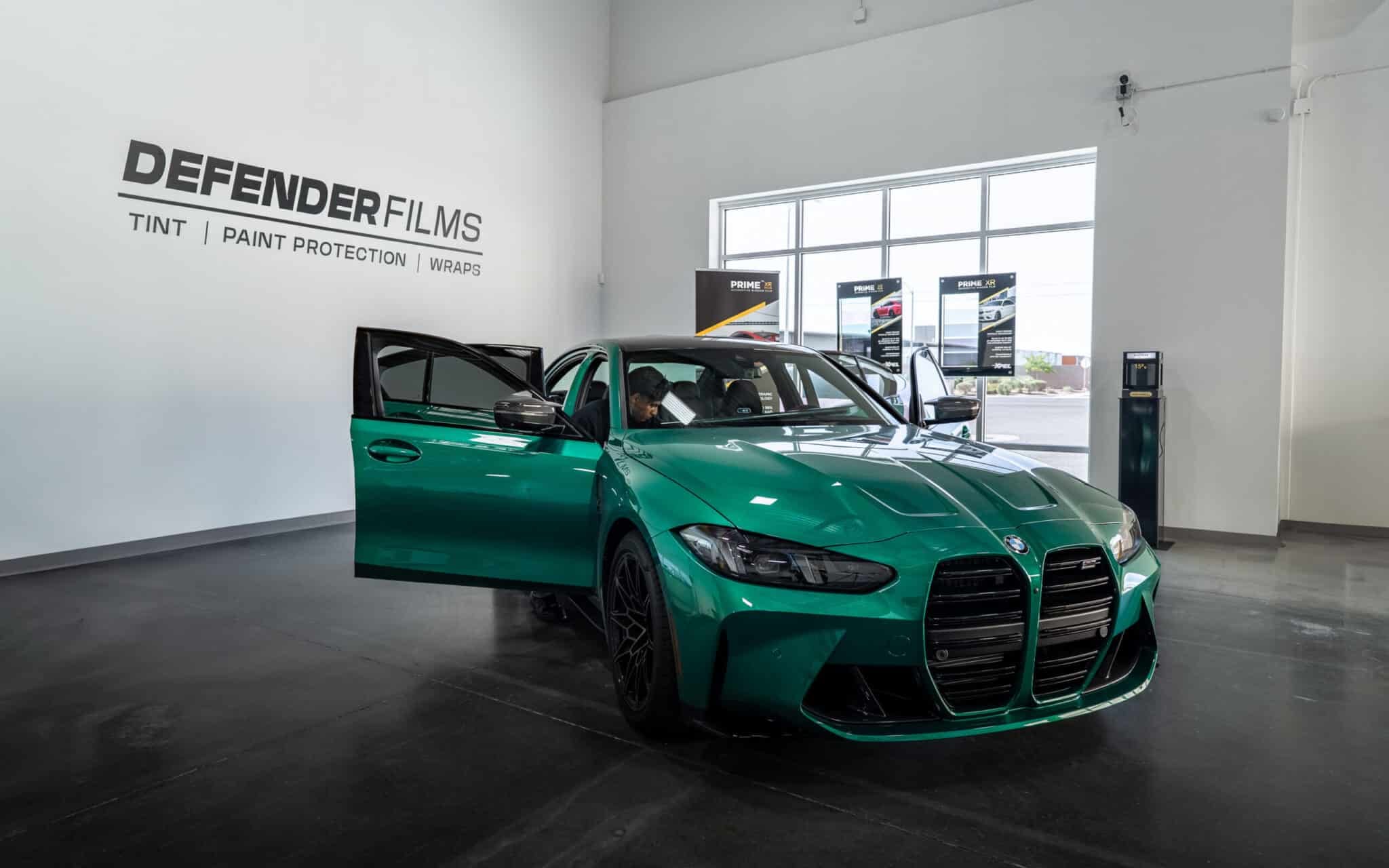
The Rock Chip Problem on Las Vegas Highways
The aggregate and gravel used in Nevada road construction — along with the constant construction activity throughout Clark County — means windshield rock chips are an almost inevitable result of Las Vegas highway driving. A single chip in the driver's sightline requires immediate repair. A chip that grows into a crack across the windshield requires full replacement. On a modern vehicle with a camera-equipped ADAS system behind the windshield, that replacement can cost $1,500 to $3,500 or more once the cameras are recalibrated.
Windshield replacement has become dramatically more expensive on newer vehicles precisely because of the technology integration. The days of a $200 windshield swap are over for most vehicles built after 2018.
What Windshield Protection Film Is
Windshield protection film is an optically clear urethane film applied to the exterior of the glass — the same material and technology as paint protection film, formulated for high-optical-clarity glass applications. The film absorbs impact energy from road debris before it reaches the glass. A rock that would chip bare glass typically leaves the film with a minor surface mark that is far less likely to propagate.
The film is not tint — it has no visible light absorption and does not change the appearance of the windshield. It is optically invisible when properly installed. From the inside of the vehicle, looking through the film and glass, there is no distortion or haze.
Does It Interfere with ADAS Cameras and Rain Sensors?
This is the first question we get from customers with camera-based driver assistance systems. The answer is that properly installed windshield protection film does not interfere with forward-facing cameras, rain sensors, or heads-up display projection when the film is positioned correctly relative to those components.
The film is applied to cover the areas of the windshield exposed to debris — primarily the lower third and the driver's direct line of sight — while clearing the camera sensor zones behind the rearview mirror mounting point. We map each vehicle's ADAS sensor placement before cutting the film pattern. This is not a guessing exercise — it requires knowing your specific vehicle's sensor layout.
Windshield Film vs Insurance Glass Coverage
Nevada drivers with full-coverage auto insurance may have zero-deductible windshield replacement coverage. That sounds like an argument against windshield film — but it misses two costs: the inconvenience of scheduling and waiting for a replacement, the recalibration appointment required by most ADAS-equipped vehicles after any windshield work, and the fact that repeated insurance claims can affect your rates over time.
Windshield protection film does not eliminate every chip risk — but it substantially reduces the frequency of damage that reaches the glass itself. Many customers find that after installing film, they stop having to deal with chip repairs entirely. Call 725-303-1595 for a free windshield film assessment.
Protect your car the right way.
Book a free consult and we'll recommend the right mix of tint, PPF, and ceramic for your vehicle — and quote it exactly.
Keep reading.
Is Paint Protection Film Worth It in Las Vegas? A Straight Answer
Paint protection film costs real money. Whether it's worth it depends on your vehicle, your routes, and how much paint damage actually costs you. Here's the honest math.
Full-Body PPF vs Partial-Front Coverage: Which One Is Right for Your Car?
Most paint damage on a Las Vegas vehicle happens on the front end. Knowing where the film delivers the most value helps you make a smarter investment decision.
PPF vs Ceramic Coating: What Each Actually Does — and Why Some Cars Need Both
Customers ask whether they need PPF or ceramic coating. The real answer is that they protect against completely different threats. Here's how each works and why the best setups use both.