Full-Body PPF vs Partial-Front Coverage: Which One Is Right for Your Car?
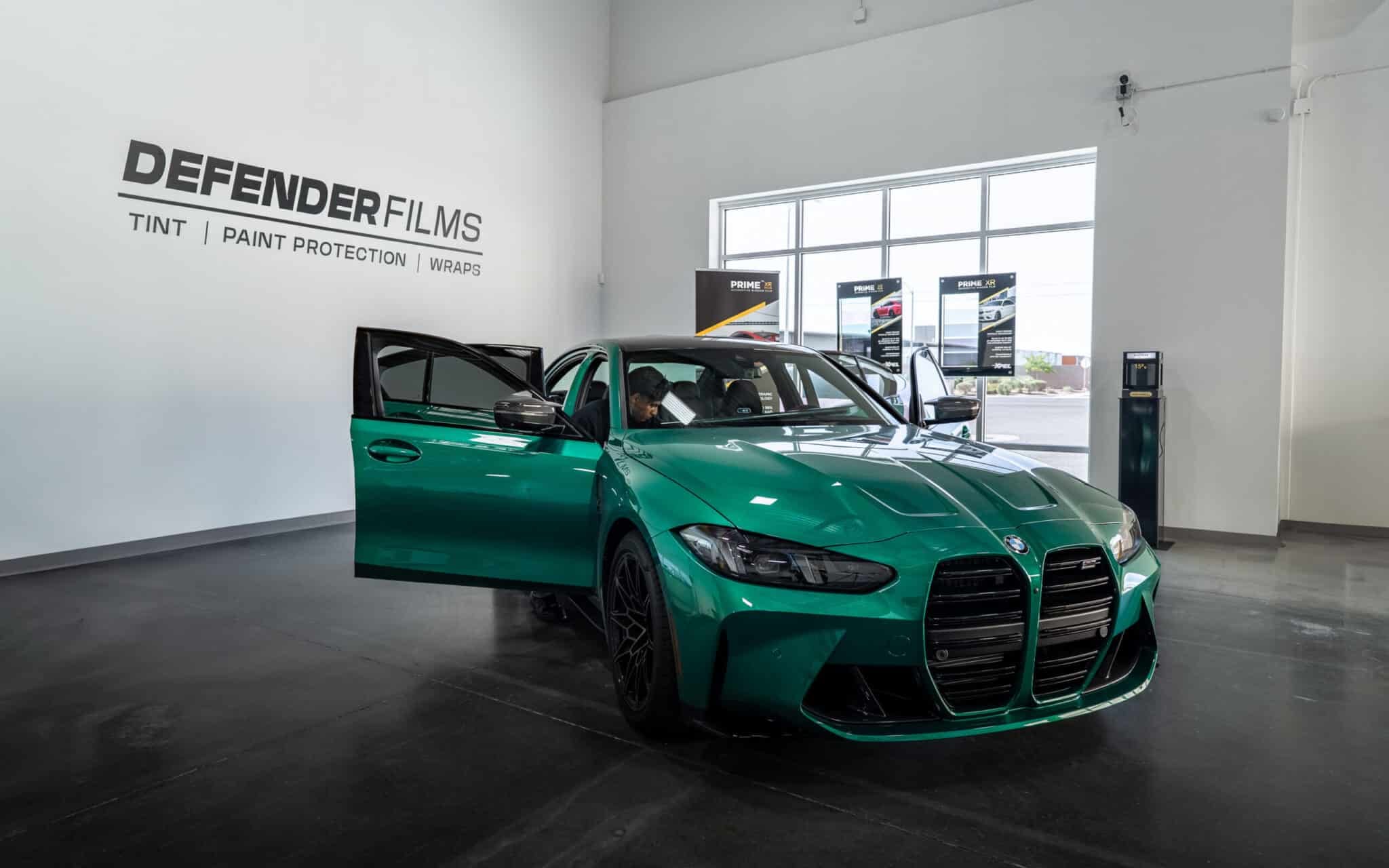
Where Paint Damage Actually Happens on Most Cars
Road debris and rock chips travel forward from the road surface at the angle of travel — which means the front bumper, hood, and front fenders take the vast majority of impact. In real-world data from paint shops and PPF installers, roughly 80 to 90 percent of chip and debris damage lands on the front surfaces. The A-pillars, side mirrors, and door edge behind the front wheel also take consistent hits from gravel kicked up by the rear tires of vehicles ahead.
The rear bumper takes damage from parking, luggage loading, and occasional stone spray from the vehicle directly in front during highway following. Rear fenders and doors see some damage from road spray. But the density of damage on the rear half of the vehicle is substantially lower than on the front.
What a Partial-Front Package Covers
A typical partial-front package protects the hood, front bumper, front fenders to the front wheel arch, side mirrors, and A-pillars. On most vehicles this represents the highest-impact coverage for the money. It addresses the areas most likely to develop chips during normal Las Vegas highway driving.
Some customers add rocker panels and door-edge guards to a partial-front package for coverage on door-ding and parking-lot scuff scenarios. These additions are inexpensive relative to the labor involved in a full-body wrap and make sense for vehicles driven in dense urban environments or parked frequently in tight lots.
When Full-Body PPF Makes Sense
Full-body paint protection film makes the most sense on exotic and ultra-luxury vehicles where paint correction and respray costs are very high, on vehicles that will be stored, tracked, or driven in particularly harsh conditions, and on new vehicles where the owner wants true end-to-end protection before the car ever accumulates damage.
On a vehicle like a Lamborghini, Ferrari, or a high-spec Porsche, the cost of repainting a rear door correctly — color match, clear coat, blend, correction — can exceed what it costs to film that panel. Full-body PPF on a vehicle at this level is not a luxury purchase. It is the sensible one.
Making the Right Call for Your Specific Vehicle
The honest recommendation depends on your vehicle's paint cost, how aggressively you drive Las Vegas highways, whether you park outdoors, and what you plan to do with the car in three to five years. A partial-front package on a daily-driven mid-luxury SUV delivers enormous value. Full-body on a weekend exotic is equally defensible.
Defender Films offers free consultations where we look at your actual vehicle, assess any current paint condition, and walk you through the options that make sense for your use case. No pressure. Call 725-303-1595 or stop by 6738 W Sunset Rd Suite 100.
Protect your car the right way.
Book a free consult and we'll recommend the right mix of tint, PPF, and ceramic for your vehicle — and quote it exactly.
Keep reading.
Is Paint Protection Film Worth It in Las Vegas? A Straight Answer
Paint protection film costs real money. Whether it's worth it depends on your vehicle, your routes, and how much paint damage actually costs you. Here's the honest math.
PPF vs Ceramic Coating: What Each Actually Does — and Why Some Cars Need Both
Customers ask whether they need PPF or ceramic coating. The real answer is that they protect against completely different threats. Here's how each works and why the best setups use both.
How Self-Healing PPF Actually Works — and What It Can and Cannot Fix
The self-healing claim sounds like marketing. The mechanism behind it is actual polymer science. Here's how it works and what it means for your car in Las Vegas.