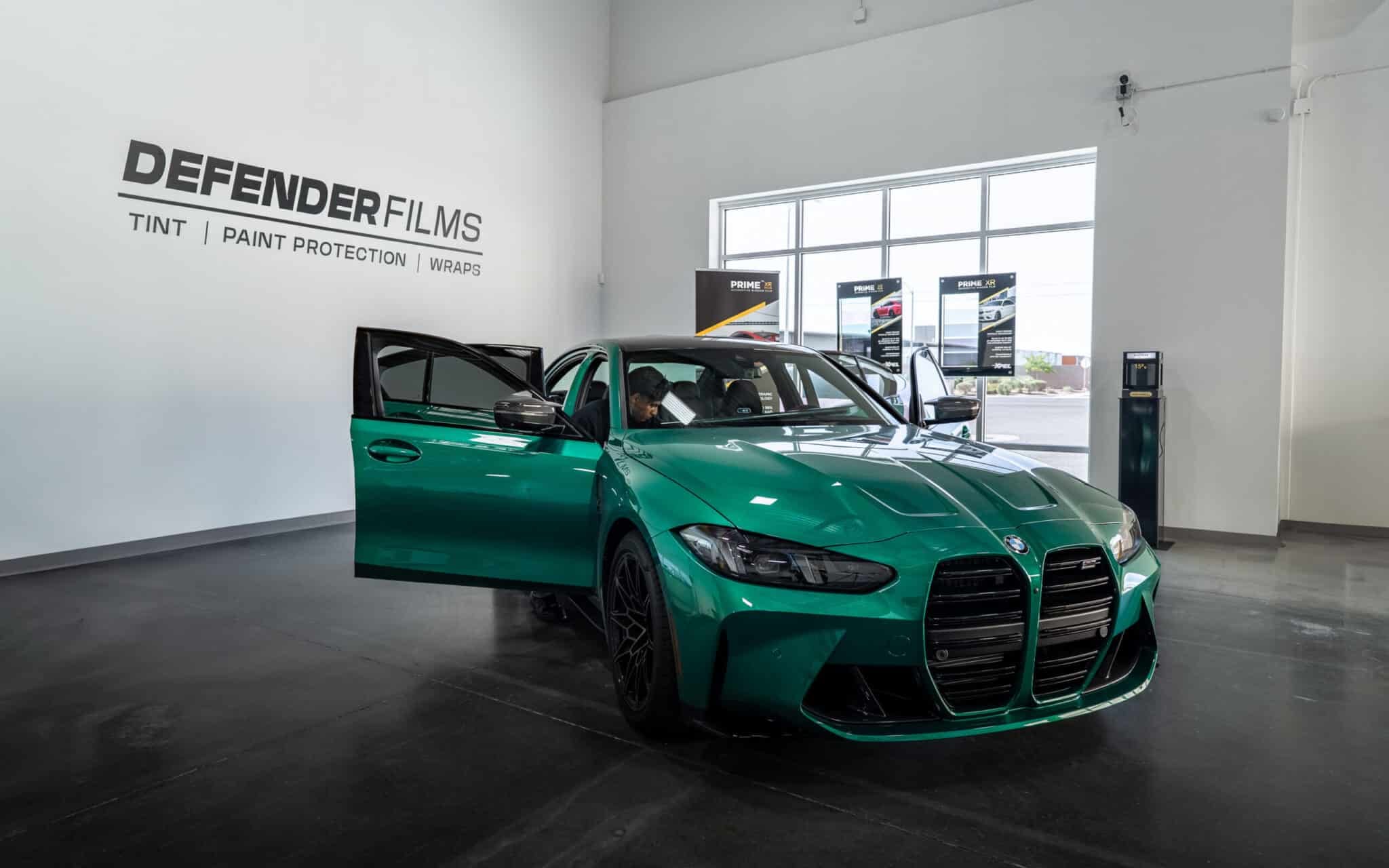
How Lease Return Inspections Work
Most leasing companies conduct a physical inspection within the last 30 days before lease end, using a standardized damage assessment form. Paint chips, scratches, dents, interior fade, and cracked or damaged glass are all line items with assigned costs. These costs vary by brand — on a luxury vehicle lease, a single-panel chip repair charge can run $400 to $800 above what you would pay at an independent shop.
The inspection is not negotiable in the moment. The inspector documents, photographs, and logs the findings, and you receive a bill after the vehicle is returned. Disputing it requires an appeals process that rarely results in significant reduction. Prevention is the practical strategy.
Where Lease Damage Actually Comes From in Las Vegas
Front-end rock chips from the 215, I-15, and US-95 are the most common paint charges on returned Las Vegas leases. A front bumper and hood with a dozen chip repairs — even professionally done — shows at the inspection because the color matching on spot repairs rarely holds over time. Interior UV damage — faded dashboards, cracked leather on non-ventilated seats, bleached plastic trim — is a less visible but real line item.
The other common charge is windshield chips that were repaired but left visible marks, or chips that were never repaired and are now cracks. A cracked windshield at turn-in is a full replacement charge on most leases.
PPF Mid-Lease: Is It Too Late?
If your lease has 12 to 24 months remaining, PPF on the front end still makes financial sense. It protects the existing paint from further damage during the remaining term, which is when the accumulated damage that shows at inspection actually happens. Even if the vehicle already has a few chips, protecting it from additional damage during the final lease period prevents the charge from escalating.
We see customers who come in six months before turn-in trying to minimize new damage accumulation. That is a reasonable approach. Earlier is better — protecting at 36 months of a 39-month lease is obviously less valuable than protecting at delivery — but mid-lease protection still reduces exposure.
Window Tint and Interior UV Protection
Interior UV damage is subtle and cumulative. By the time a lease ends — typically 24 to 36 months — a vehicle that sat outdoors daily in Las Vegas without ceramic tint has already experienced measurable fading on the dashboard, door panels, and seat surfaces facing the front glass. Lease return graders know what a Las Vegas summer does to an unprotected interior.
Quality window tint, particularly ceramic tint that blocks near 100 percent of UV radiation, is one of the most cost-effective ways to preserve interior condition during a lease. The investment in quality tint is a fraction of the potential interior damage charges. Call 725-303-1595 to discuss what makes sense for your remaining lease term.
Protect your car the right way.
Book a free consult and we'll recommend the right mix of tint, PPF, and ceramic for your vehicle — and quote it exactly.
Keep reading.
How to Protect a Brand-New Car Before Las Vegas Roads Touch It
The best time to apply PPF and ceramic coating is before the first scratch. Here's what the smart new-car protocol looks like for Las Vegas conditions.
The Complete Protection Stack: Window Tint + PPF + Ceramic Coating Explained
Window tint, paint protection film, and ceramic coating each handle different threats. When you stack all three correctly, you have covered every major way Las Vegas damages a vehicle.